
Years ago, I had a friend I bonded with largely through complaining.
We could spend hours talking about other people, dissecting what they’d done and rolling our eyes at things that annoyed us. At the time, I didn’t think much about it. It was simply part of the way we related to each other.
Then I went through coaching school, and I started paying much more attention to my own patterns. One of the things I noticed was how I felt after conversations filled with complaining, criticism and gossip.
Not great.
So I started participating differently. When my friend complained about someone, instead of automatically joining in, I might offer another perspective or question whether we really knew what was going on.
She did not appreciate New Cheryl.
“You’ve changed,” she’d tell me.
And she wasn’t wrong.
I had changed.
The problem was that something we’d previously shared was no longer something I wanted to participate in. And when I stopped playing my old part, the friendship didn’t work quite the same way anymore.
That was hard for me to accept.
I think we sometimes talk about personal growth as though every change we make automatically improves every part of our lives. We become more self-aware, set a boundary, change a habit or decide we don’t want to behave a certain way anymore, and everyone applauds.
Except relationships don’t necessarily work like that.
Every relationship develops its own rhythm. There are things we do together, ways we communicate and roles we fall into, often without ever discussing them. When one person changes her part of that rhythm, the other person has to adjust, too.
Sometimes the relationship adjusts with us. Sometimes it doesn’t.
And sometimes neither person is necessarily the villain.
Looking back, I can understand why my friend didn’t particularly enjoy having someone who used to happily complain alongside her suddenly offering another perspective. I’m sure there were moments when New Cheryl was annoying as hell.
I also don’t want to pretend I’ve always been the person doing the growing while everyone else struggled to keep up. I’ve gossiped. I’ve judged people. I’ve resisted changes in other people that affected me.
We’re human.
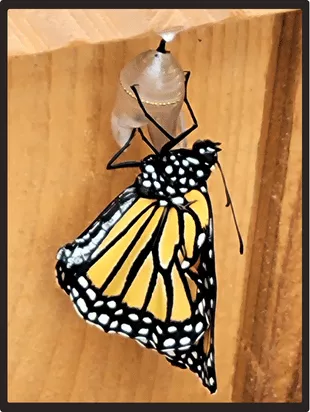
But that friendship taught me something I’ve carried with me: when we change, some of our relationships may have to change with us.
That doesn’t automatically mean ending them. Maybe we find something new to connect around. Maybe we have an honest conversation about what’s different. Maybe the friendship becomes less central than it once was. And sometimes we discover that what held us together isn’t there anymore.
There’s sadness in that.
We can genuinely appreciate what a relationship once gave us and still recognize that it may not fit our lives in exactly the same way forever.
I’ve become much more curious about this than judgmental. When a relationship feels different, I try to ask myself: What changed?
Was it them?
Was it me?
Was it both of us?
And is there a new version of this relationship that still works? Because sometimes changing ourselves changes more than ourselves. It changes the relationships built around who we used to be.
growth-transformation
About the Author


Cheryl Dillon, CPC | Founder of Funderful Experiences
Cheryl Dillon is a certified professional coach, writer, speaker and founder of Funderful Experiences. She holds a degree in psychology and has more than 16 years of coaching experience. Today, her work focuses on what helps people form, build and strengthen relationships.
She is also the creator of Connected Hearts, an in-person women’s community in North County San Diego, and The Uplift, her weekly email exploring friendship, marriage, communication, social dynamics and the relationships that shape our lives.
More Real Talk
When Did You Stop Being a Beginner?
Why Asking for Help Can Bring Us Closer