Some memories soften with time. Others stay with us and shape us in ways we don’t fully understand until much later.
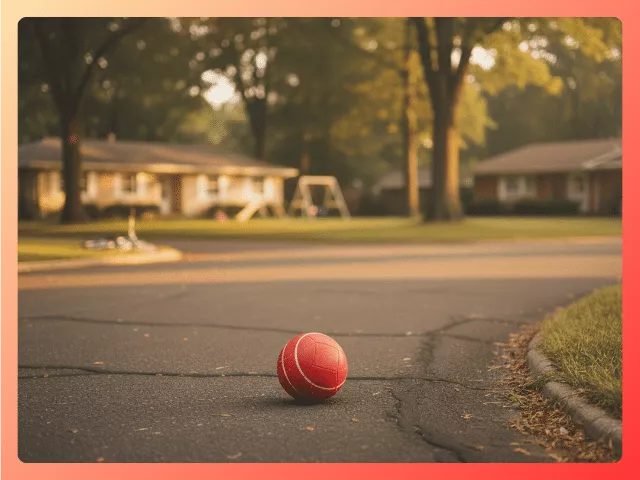
One of mine goes back to when I was six years old and my family moved to a new town in New Jersey. We lived on a quiet cul-de-sac. I remember stepping outside one afternoon and seeing a group of kids playing kickball in the street. They all knew each other already. Siblings, neighbors, a ready-made team.
I was a bubbly kid, so I walked over and asked if I could play.
Instead of a yes, I got laughter. Not the good kind.
I remember turning back toward the house, clutching the little necklace I wore every day, a tiny dog curled in a basket, as if holding it could somehow hold me together. By the time I reached the door, tears were streaming down my face.
I didn’t have words for what I was feeling then. I just knew it hurt. It was my first real experience of being left out.
Junior high brought more of the same. I met one girl in class, another somewhere else, one through religious school and another through the flag-twirling team. Thrilled to have made friends, I introduced them all and we became a group.
Then, seemingly overnight, one girl started whispering lies and pulling the others away. Suddenly, I was the outsider again, this time to a circle I had created myself.
High school followed a similar script. I gathered friends from different parts of my life, they formed a clique and I was shut out.
Again.
I never really understood why. I just knew that it was confusing and painful.
The pattern didn’t stop when I grew up. In my twenties, there was a summer down the shore when a group of women iced me out overnight. Later, at a new job, a “queen bee” felt threatened and turned others against me.
Different people. Same familiar feeling.
Those experiences affected me long after the actual events were over. I became guarded in groups of women. Even though I wanted close female friendships, part of me was always waiting for the other shoe to drop.
That’s one of the strange things about our past. Something can be over for years and still influence how we walk into a room, interpret someone’s behavior or decide whether it’s safe to let our guard down.
I’ve had to learn to recognize when an old experience is influencing a new one.
Even now, when I encounter women who seem closed or cliquish, I can feel that familiar knot in my stomach. My mind can go straight to: Here we go again.
When that happens, I try to remind myself: This feeling is old. This situation is new. I don’t know their story yet. That last part matters to me more now than it once did. I don’t want an experience from my past deciding who someone is before I’ve had a chance to know them.
But those experiences gave me something else.
Because I know exactly what it feels like to be left out, I notice people who are standing on the edges. If I see someone alone in a room, I’m likely to walk over, introduce myself or bring them into the conversation.
I don’t do it because I learned an inclusion technique somewhere. I do it because I remember being the little girl walking back toward her house after the kickball game.
Being excluded hurt me. Making sure other people feel included became part of who I am.
That’s one of the reasons inclusion matters so much to me in the experiences I create today. Simply putting people in the same room doesn’t mean everyone will feel welcome or included. Someone has to pay attention to what’s happening in the room.
And I definitely pay attention.
Sometimes the experiences we would never have chosen end up shaping something good in us. Being overlooked can make us someone who notices. Being excluded can make us someone who includes.
It makes me wonder how many of the things we care deeply about today can be traced back to something we experienced years ago.
What happened in your life that shaped something you value now?
It doesn’t make the painful parts of our stories okay. But sometimes they become part of the reason we show up differently for someone else.
About the Author
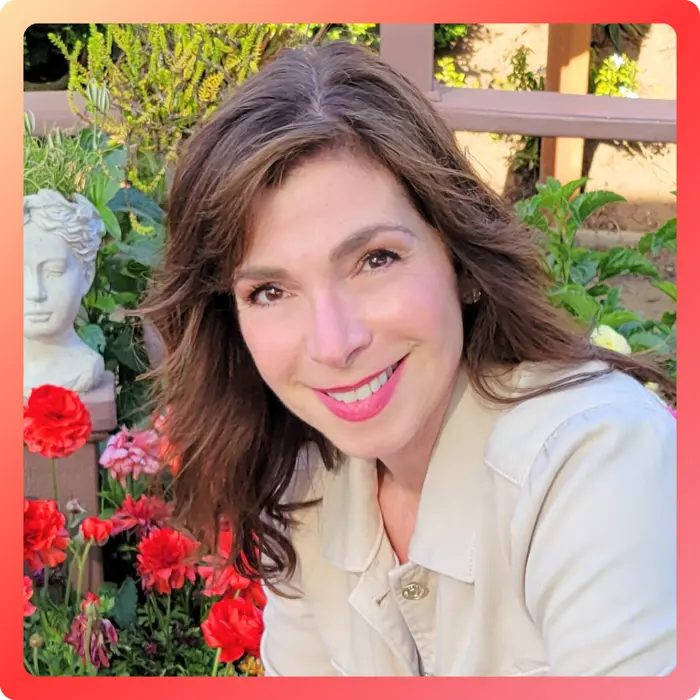
Cheryl Dillon, CPC | Founder of Funderful Experiences
Cheryl Dillon is a certified professional coach, writer, speaker and founder of Funderful Experiences. She holds a degree in psychology and has more than 16 years of coaching experience. Today, her work focuses on what helps people form, build and strengthen relationships.
She is also the creator of Connected Hearts, an in-person women’s community in North County San Diego, and The Uplift, her weekly email exploring friendship, marriage, communication, social dynamics and the relationships that shape our lives.
More Real Talk
Do You Think You Have to Earn Your Fun?
How Much of Your Day Does One Bad Moment Get?