
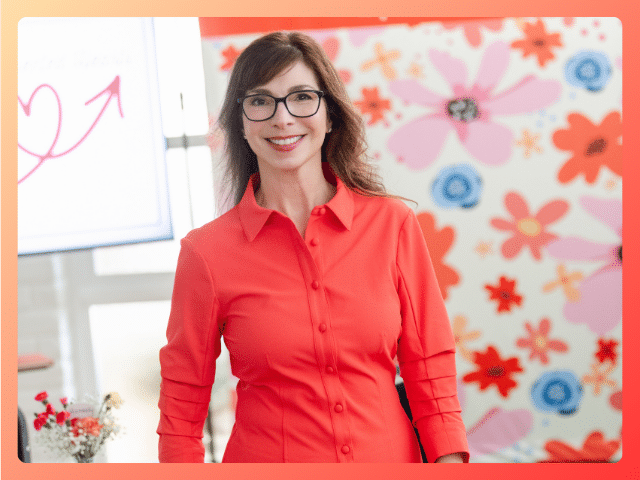
I had the pleasure of recently appearing as a guest on The Midsters Podcast, where I joined hosts Mary-Anne and Leslie Ann for an honest, heart-centered conversation about midlife, self-care, and what it truly means to be a friend to yourself.
I shared my journey of moving across the country in midlife, navigating loneliness and transition, and ultimately creating work that feels joyful, meaningful, and aligned with this chapter of life. We talked about why self-care isn’t selfish, how our inner dialogue shapes our confidence and relationships, and why small, intentional shifts like setting boundaries without guilt, can create powerful change. We also explored how curiosity, rather than blame, opens the door to growth and healthier connections.
This episode is for midlife women who want more ease, confidence, and authentic connection – and who are ready to embrace what’s next with clarity and heart.
Transcription
This transcript was auto-generated, and may contain errors.
The Midsters Podcast
Midsters Host:
Welcome to the Midsters Podcast — your podcast for inspiration on being bold and saying yes to making the most out of midlife.
Cheryl, thank you so much for being here.
Cheryl Dillon:
Thank you for having me.
Midsters Host:
We think it’s wonderful that you found the Midsters, listened to an episode, and reached out. Through that connection, we learned a bit about you, and we feel you have a lot to offer our listeners. We’d love for you to start by introducing yourself and telling us a little about where you are now, especially since you’ve experienced some interesting transitions in your life.
Cheryl Dillon:
Thank you — it’s really nice to be here. I appreciate the invitation.
I’m Cheryl Dillon. I’m a life coach, originally from New Jersey. I lived in Chicago for five years, and I’ve now been in California for seven years. I moved here in midlife without knowing anyone and without any community. I moved with my husband — luckily, he’s my best friend — because those first couple of years were lonely.
Shortly after we bought our house and settled in, the pandemic hit. For about two and a half years, we were home, with very little opportunity to get involved in the community or make friends. Even after things opened back up, it took extra effort to get moving again. There’s that phrase: a body in motion stays in motion, and a body at rest stays at rest. After being home for so long, motivating myself to get out required real intention.
At the same time, I was craving meaningful female friendships and deeper community. I was also experiencing midlife — changes in my body, mood, and overall life perspective. Professionally, I’ve been a partner in a primary business I run with my husband for over 17 years. I’m a divorce coach, and he’s a divorce mediator. While the work is meaningful, I started to feel a pull toward something more joyful — something that really fed my soul and aligned with where I was in life.
That led me to go back to school and earn a certificate in event planning. I combined that with my life coaching skills and personal experience to create my new company. It’s all about helping women in midlife embrace this chapter, make it joyful, vibrant, meaningful, and alive with possibility. Instead of slowing down or “getting old,” I wanted to do the exact opposite.
Midsters Host:
You’re clearly highly motivated. Have you always been that way?
Cheryl Dillon:
Yes — I’m definitely Type A. I’m direct, and when I want something, I make a plan and go after it. That said, I also experience social anxiety, which surprises people. I love interacting with others and feeding off that energy, but for every day I’m out with people, I need two days at home to recharge.
My husband calls me the most extroverted introvert he knows. For me, it’s all about balance — solitude paired with connection — so that interacting with others energizes me instead of draining me.
Midsters Host:
You’ve transitioned into work that feels deeply soul-fulfilling. How do women find you, and what are they typically looking for help with?
Cheryl Dillon:
For more than 15 years, I’ve helped individuals — both men and women — navigate separation and divorce. I’m divorced myself and have now been married to my current husband for 20 years.
Divorce is such a significant life event. My work has focused on helping people navigate the emotional complexities and use that painful experience as a catalyst — not something that defines the rest of their lives, but something that opens the door to a meaningful next chapter.
I don’t believe in failure. I believe life events are gifts, and what matters is what we do with them. If we reflect, take responsibility, and learn from them, they can help us clarify what we no longer want and what we do want — and then take steps toward that future. Even when something feels terrible at the time, it can still be the beginning of something wonderful.
Midsters Host:
You mentioned something when we spoke earlier that really resonated — the idea that women can live better lives by being better friends to themselves. Can you talk about how you arrived at that idea and offer some guidance for women who want to start doing that?
Cheryl Dillon:
Many women are raised with expectations shaped by parents, teachers, society, and early life experiences. Over time, those expectations become ingrained. Many women don’t even realize they’ve stopped honoring their own needs or prioritizing themselves.
Awareness is always the first step. Once you see what’s happening, you can start to shift how you think and how you speak to yourself.
I truly believe the foundation of happiness is being your own best friend. That means speaking to yourself, treating yourself, and supporting yourself the same way you would someone you deeply love. When you direct that inward, you’re not taking anything away from others — there’s plenty to go around.
When you take care of yourself and become a good friend to yourself, you stop seeking validation externally. You feel more confident, calm, and grounded. From that place, you naturally attract healthier relationships and more fulfilling experiences.
Midsters Host:
You talked about energy and attraction — creating an environment where positive things can come into your life. How does someone get started with that?
Cheryl Dillon:
Everyone’s path is different. For me, during coaching school years ago, we learned about energy and attraction. One exercise was simply saying, “I love myself.” At first, I couldn’t say it — it felt completely insincere.
My instructor encouraged us to “fake it till you make it.” I started saying it silently to myself. Over time, it became more natural. Today, even on days when I don’t particularly like myself, I still love myself.
For people who can’t start there, a bridge phrase helps — something like, “I’m learning to love myself,” or “I’m learning to be a better friend to myself.” The key is choosing language that feels believable and authentic.
That small shift — changing your inner dialogue — matters. If all you hear from yourself is criticism, how can you expect others to treat you differently? Valuing yourself changes everything.
Midsters Host:
Many women feel guilt when they start prioritizing themselves because they were raised to put others first. Do you see that often?
Cheryl Dillon:
Absolutely — and it’s very common. Many of us were taught to be the “good girl,” not make waves, and put others first. That conditioning runs deep.
Again, awareness is the starting point. Then it’s about examining the belief: Where did this come from? Is it mine, or did I inherit it? Does it still serve me?
One powerful reframe is this: self-care is not selfish. If you’re not taking care of yourself, you can’t show up fully for others. Filling yourself up first allows you to give from a place of presence and love instead of obligation and exhaustion.
Midsters Host:
What are some other ways women can learn to be their own best friend?
Cheryl Dillon:
After my divorce, I spent time alone intentionally. I reflected deeply on my role in the relationship. It wasn’t easy — blaming others would have been simpler — but taking responsibility helped me understand how I had been treating myself.
I realized I had attracted a partner who treated me the same way I treated myself. That insight was painful but transformative. It taught me that real change always starts with you.
If you want something different, you have to look inward: What am I believing? How do I speak to myself? What patterns keep showing up? Small, consistent steps in a new direction can create real change over time.
Midsters Host:
What about people who aren’t going through a divorce but want to shift their focus toward themselves within an existing relationship?
Cheryl Dillon:
It starts with intention and awareness — noticing that something feels off or missing. Reflection helps clarify what’s not working. Professional support, like therapy, can be incredibly helpful and is a sign of strength.
For women who struggle to prioritize themselves, start small. Even five minutes of quiet time matters. One woman told me she stays in the bathroom longer just to have a moment to herself. It’s not ideal, but it’s a beginning.
Those small moments reconnect you with yourself and help you make more intentional decisions instead of living on autopilot.
Midsters Host:
You mentioned taking responsibility without blame. That can be hard for people. What advice do you have for getting past that barrier?
Cheryl Dillon:
There’s a difference between blame and responsibility. We all make the best decisions we can with the information we have at the time. Responsibility means approaching your life with curiosity instead of shame.
Ask questions like: Why does this pattern keep showing up? What can I learn from this? Curiosity opens the door to growth without self-judgment.
There are no mistakes — only opportunities to learn and grow. When you approach yourself with compassion, real transformation becomes possible.
Midsters Host:
As people begin to change, relationships can shift. Do you have advice for navigating that?
Cheryl Dillon:
When you change, people around you may feel uncomfortable. They’re used to you showing up a certain way. Setting boundaries can feel awkward at first, but it’s important not to apologize for them.
Start small. Practice saying things like, “I’m not available right now, but I can help tomorrow.” Most of the time, people respond just fine. That positive feedback builds confidence.
The more you practice, the easier it becomes to stay in integrity with yourself.
Midsters Host:
Before we wrap up, is there anything you’d like to leave listeners with?
Cheryl Dillon:
If something in your life isn’t working, trust yourself and get curious. Explore it gently.
If my message resonates, I write a free weekly newsletter called The Uplift. It goes out every Thursday and includes a personal story, reflection, and one small challenge to try during the week.
You can subscribe at funderfulexperiences.com. There’s a button at the top right of the website.
Midsters Host:
Thank you so much for being here, Cheryl.
Cheryl Dillon:
Thank you, Mary-Anne and Leslie Ann. It was wonderful to be with you. Enjoy the rest of your day.
About the Author – Making Midlife Funderful
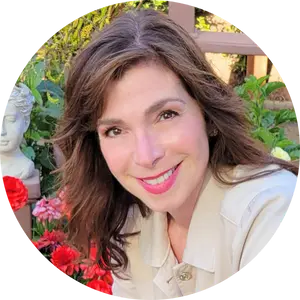

Cheryl Dillon, CPC – Life Coach & Founder, Funderful Experiences
Cheryl Dillon is a life coach and founder of Funderful Experiences, home of Connected Hearts – a community of midlife women shaping a chapter that feels joyful, vibrant, and intentional. She also writes The Uplift, a nationally read newsletter blending storytelling, coaching, and humor to help women reconnect with themselves and each other – bringing more laughter, purpose, and heart to everyday life.
Cheryl’s work centers on the belief that genuine connection, meaningful experiences, and personal growth bring depth, happiness, and fulfillment to midlife. With a background in psychology and coaching, she brings warmth, insight, and real talk to conversations about friendship, identity, midlife transitions, and what it means to live fully and thrive in this season of life.
More Real Talk
When Trying Something New in Midlife Feels Scary – and Exactly Why That’s a Good Sign
The Power of Small Wins in Midlife: Finding Joy in Everyday Moments