
Are you the one who always says, “I’ve got it,” even when you’re overwhelmed?
For a long time, I believed asking for help was a sign of weakness, a belief that quietly reinforced an independence mindset and made emotional support feel harder to receive – especially in midlife, when it felt like I was supposed to have things figured out by now. If I’m being honest, I was also terrified of hearing “no.” It felt safer to carry everything myself than to risk fear of rejection or disappointment.
But lately, I’ve been questioning that belief.
What if asking for help isn’t admitting defeat?
What if it’s actually an act of courage – choosing connection over isolation? Real personal growth often begins when we allow ourselves to receive support instead of carrying everything alone.
The Fortress I Built Around Myself
My default has always been, “I’ll figure it out.”
Which is ironic, because I love helping other people.
But when it came to my own life, I resisted asking for support. I told myself I didn’t want to bother anyone. I didn’t want to impose. I didn’t want to rely on someone who might let me down.
Over time, those reasons turned into walls – a fortress I thought was protecting me.
In reality, it was exhausting to maintain… and incredibly lonely inside. That kind of self-protection can feel safe, but it often blocks the authentic connection we’re actually craving.
What I see now is that my self-protection was also limiting real connection and emotional support, two things that matter deeply in this season of life.
The First Crack in the Wall
When Connected Hearts was still just an idea, I needed honest feedback. Not encouragement – real insight. I thought of a woman I’d recently met who was exactly the kind of person I hoped this midlife community would serve.
Because our connection was new, asking for her time felt risky. I hesitated for days before finally reaching out.
Her response? An immediate yes.
She spent four hours with me in a library conference room, offering thoughtful feedback and genuine care. That yes didn’t just help my business, it cracked open something in me and reshaped how I think about midlife vulnerability and strength. It reminded me that emotional resilience isn’t built alone – it grows through trust and connection.
When Asking Still Feels Risky
A few months later, I was agonizing over a decision that felt huge at the time: the backdrop for my events. As a one-person startup on a tight budget, it needed to be right.
I thought of another new friend – a professional photographer with an incredible eye. Again, that familiar voice popped up: Don’t bother her.
I stared at the text for a full five minutes before hitting send.
Another wholehearted yes.
That’s when I started to realize this wasn’t luck. It was a pattern I’d never allowed myself to see – people wanted to help, but I had to let them. Building a support system starts with allowing others the opportunity to show up.
The Ask That Changed Everything
Then came the biggest test.
There was a woman at the Woman’s Club I barely knew – and if I’m honest, we hadn’t gotten off on the best foot. Meanwhile, I was losing sleep over the layout for my preview event in a space she knew inside and out.
Still, I reached out.
I acknowledged the rocky start. I was honest about my nerves. And I asked for help.
She said yes immediately.
Not only did she spend time on the phone with me, she met me at the clubhouse that same day. We moved tables, talked through the flow of the room, and she even drew up a floor plan. She went above and beyond anything I expected.
That experience deepened my understanding of relational courage – the willingness to risk vulnerability in order to grow. And it reshaped how I understand trust, generosity, and what’s possible when we stop trying to do everything alone.
What Letting Others In Has Taught Me
Each of these moments has taught me the same truth:
That fortress I built to keep myself safe wasn’t just keeping others out, it was keeping my world small and my shoulders heavy.
Letting others in doesn’t guarantee a yes every time. I know that.
But the strength isn’t in the outcome – it’s in the courage to ask. Receiving help is its own form of strength, especially in a season of reinvention.
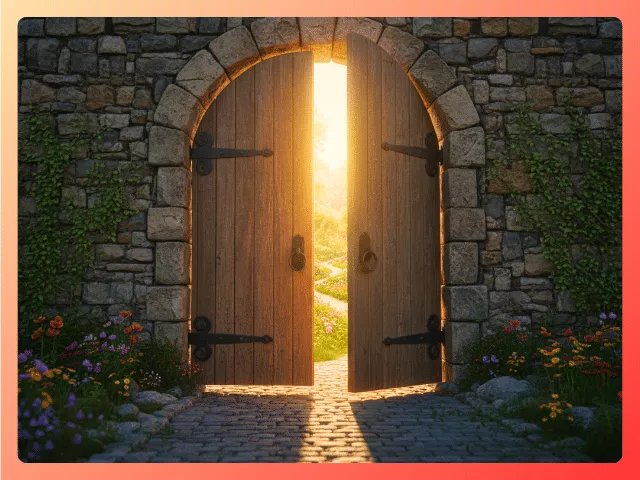
Asking for help is like building a gate in the wall instead of another layer of stone. It’s choosing connection over control. Trust over self-protection. Growth over isolation.
And sometimes, on the other side of that fear, you don’t find rejection – you find kindness.
What’s the story you tell yourself about asking for help – especially when fear of rejection shows up in midlife – and what might change if you questioned it, just a little?
Try This: “The Tiny Ask” Challenge
Just like building emotional resilience, learning to ask for support happens through small, repeated practice.
This week, make one tiny ask. No crisis required.
- Ask your partner to handle one small task you’d usually do yourself.
- Ask a colleague for a quick opinion.
- Ask a friend if you can vent for five minutes without needing solutions.
The goal isn’t perfection.
It’s simply practicing the act of asking – and receiving.
Because strength isn’t doing everything alone.
Sometimes, it’s opening the gate and letting someone walk beside you.
“Vulnerability is not weakness; it’s our greatest measure of courage.” — Brené Brown
About the Author – Making Midlife Funderful
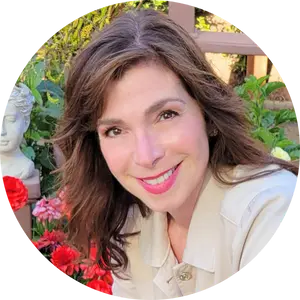

Cheryl Dillon, CPC – Life Coach & Founder, Funderful Experiences
Cheryl Dillon is a life coach and founder of Funderful Experiences, home of Connected Hearts – a community of midlife women shaping a chapter that feels joyful, vibrant, and intentional. She also writes The Uplift, a nationally read newsletter blending storytelling, coaching, and humor to help women reconnect with themselves and each other – bringing more laughter, purpose, and heart to everyday life.
Cheryl’s work centers on the belief that genuine connection, meaningful experiences, and personal growth bring depth, happiness, and fulfillment to midlife. With a background in psychology and coaching, she brings warmth, insight, and real talk to conversations about friendship, identity, midlife transitions, and what it means to live fully and thrive in this season of life.
More Real Talk
When Pain Becomes Power
Choosing Authenticity in Midlife: Showing Up as Your Real Self